
WHAT IS THE JONES ACT?
The Merchant Marine Act of 1920, also known as the Jones Act, is a maritime cabotage law that requires goods transported between U.S. ports to be carried on American-built, American-owned, American-flagged and American-crewed ships.
Cabotage laws restrict foreign companies from operating domestic transport services (air, sea or road) within another country's borders to protect the security and control of national transportation infrastructure. These rules generally prohibit a foreign operator from picking up and dropping off passengers or cargo between two points within the same country. A 2025 report by Seafarers’ Rights International found that more than 100 countries have maritime cabotage laws in place, covering 85% of coastlines globally.
The Jones Act has secured the critical supply line between Hawaiʻi and the continental U.S. (CONUS) for more than 100 years. The security and stability it provides has allowed U.S. companies to make long-term investments focused on serving domestic markets, forming the industry foundation that ensures the steady and reliable supply of essential goods that all Hawaiʻi residents, visitors and businesses have relied on for generations.
THE JONES ACT AND HAWAIʻI’S COST OF LIVING
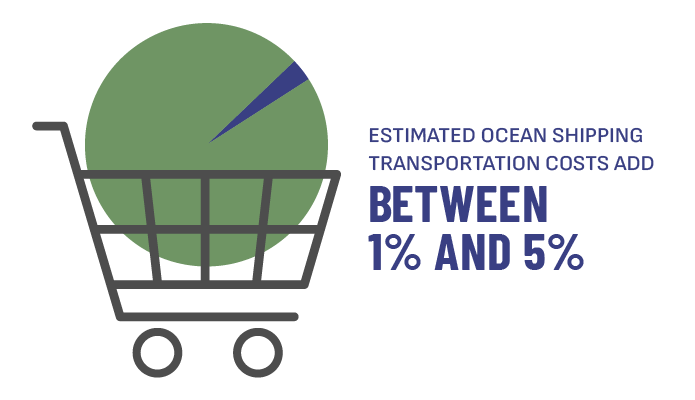
Local economists have estimated that ocean shipping transportation costs add between 1% and 5% to the price of Hawaiʻi consumer goods, depending on the product. These added costs are not due solely to the Jones Act as there would be ocean transportation costs with or without the Jones Act. Hawaiʻi’s cost of living is primarily driven by housing and other expenses such as utilities, fuel and medical care costs. Over the years, ocean freight rates have remained relatively flat between the continental United States and Hawaiʻi, as opposed to substantial increases in other benchmarks like overall U.S. inflation and U.S. intercity truckload prices. According to consumer price movements, most items in urban Hawaiʻi transported by ocean carriers have experienced lower inflation rates than average.
THE JONES ACT AND THE IMPACT OF SHIPPING COSTS
The Jones Act secures a consistent supply chain between the continental United States and Hawaiʻi — one crucial to our local economy and is cost-effective as well. All forms of transportation add cost, and the large majority of the expenses of moving cargo between the continental United States and Hawaiʻi are unaffected by the Jones Act and would be incurred by any other carrier providing this service.

JONES ACT SHIPPING TO HAWAIʻI IS RELIABLE AND COST-EFFECTIVE
Hawaiʻi relies on ocean shipping and air freight for over 90% of the state’s consumed goods.
Jones Act carriers provide an essential, consistent supply chain for transporting consumer goods and industrial items between the continental United States (CONUS) and Hawaiʻi, offering dedicated, frequent and rapid-transit services.
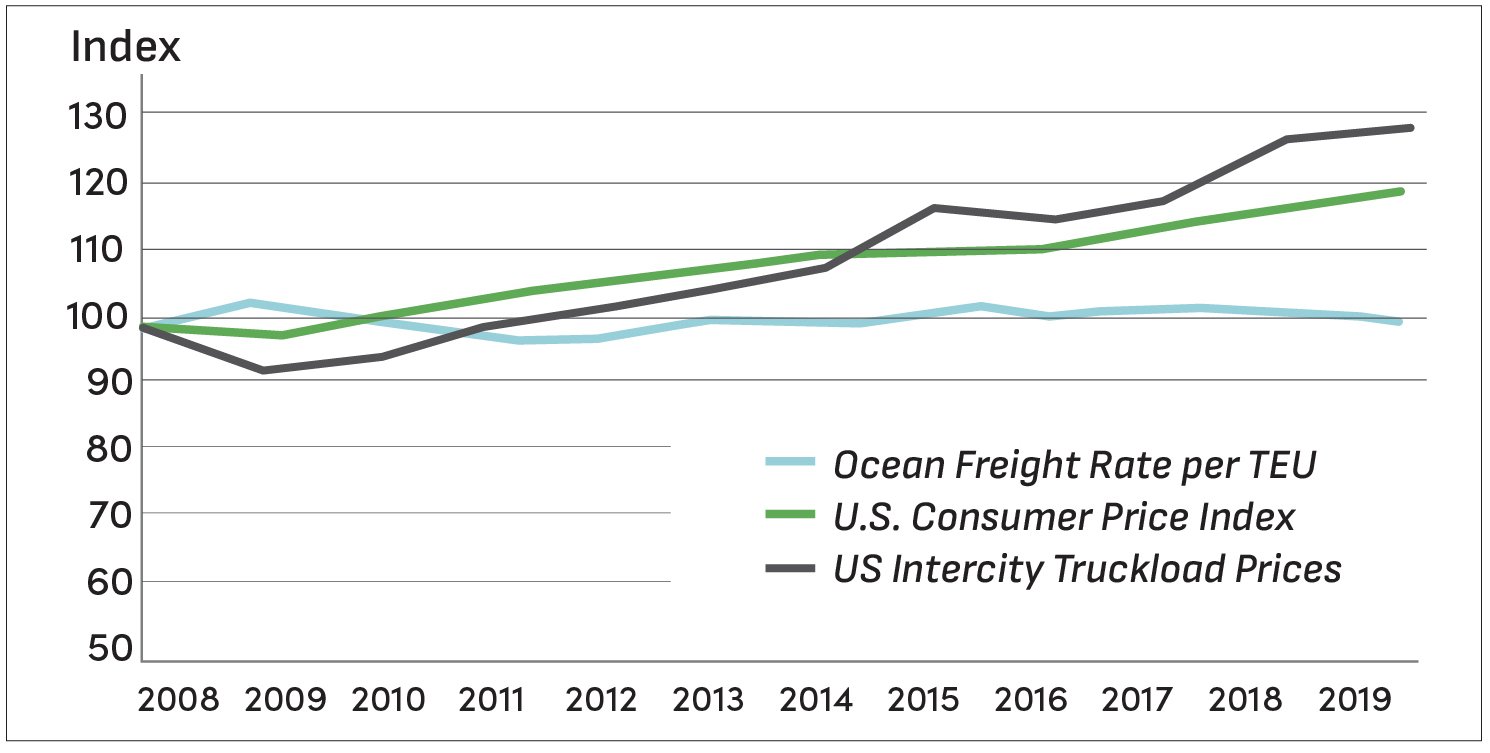
Freight rates in the CONUS/Hawaiʻi trade since 2008 have remained relatively flat or declined in real terms, as opposed to substantial increases in benchmarks like overall U.S. inflation and U.S. intercity truckload prices, according to the American Maritime Partnership’s report “The Jones Act and Hawaii".”
Exhibit III-7
Historical Trend in CONUS/Hawaiʻi Ocean Freight Rates versus U.S. Consumer Price Index and Intercity Truckload Prices
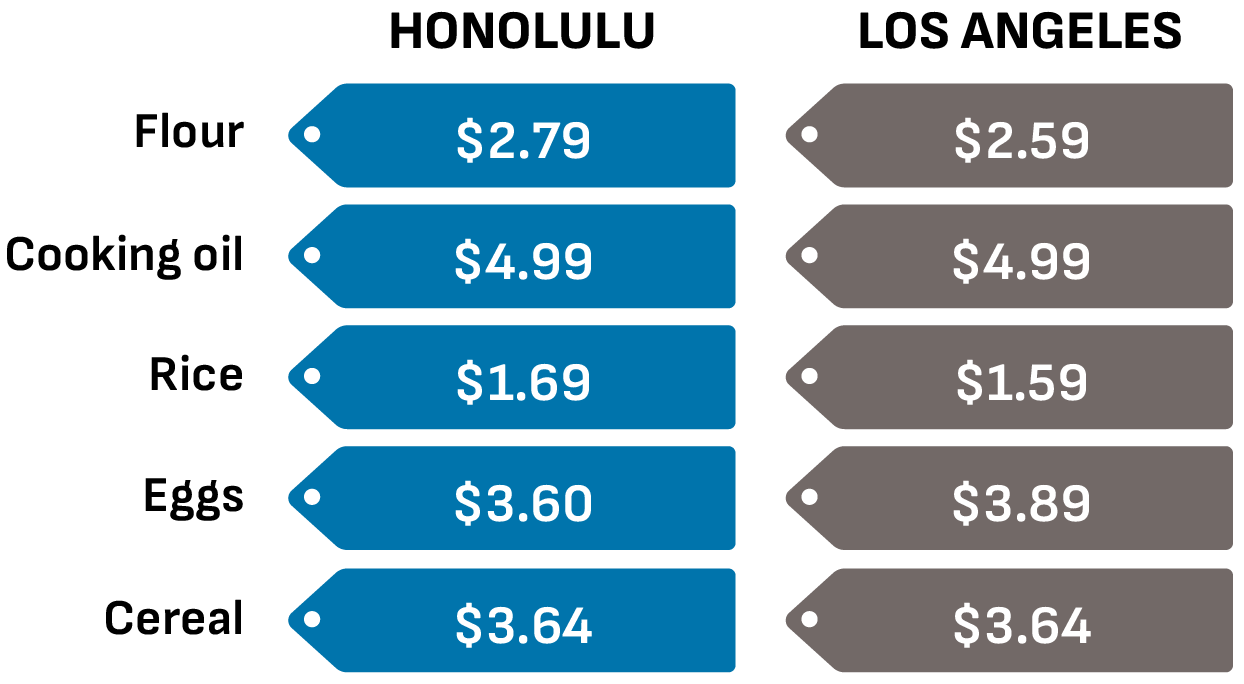
In a 2020 survey of a representative sample of the listed prices of the same 200 consumer goods as sold in Hawaiʻi and California on the same date by the same major retailer, the prices in the majority of instances (143 of 200) were precisely the same.
THE JONES ACT AND THE COST OF CONSUMER GOODS
MYTHS ABOUT THE JONES ACT
Over the years, misinformation about the Jones Act has been repeated and reinforced in traditional and social media sources. Here’s the straight scoop.
MYTH #1
THE JONES ACT IS CAUSING HAWAIʻI’S HIGH COST OF LIVING. FALSE.
Hawaiʻi economists have consistently found that ocean shipping adds between 1% and 5% to the cost of goods in Hawaiʻi.
The Jones Act protects Hawaiʻi from the extreme price shifts that often occur in international shipping (ILWU Local 142, 2025).
Jones Act carriers capital investments in the trade contribute to stable, predictable Hawaiʻi services and pricing tied to real expenses rather than speculation. Without the Jones Act, Hawaiʻi would be vulnerable to the unchecked pricing, shipping schedules and service standards of foreign carriers with no allegiance to or focus on Hawaiʻi, as was seen during the COVID-19 pandemic supply chain crisis on the mainland.
MYTH #2
REPEALING THE JONES ACT WOULD LOWER SHIPPING COSTS TO HAWAIʻI’S BECAUSE FOREIGN SHIPS HAVE LOWER OPERATING COSTS. FALSE.
Any carrier operating in the U.S. domestic trades would have to comply with U.S. tax, labor and employee protection laws which would significantly diminish, if not completely eliminate, any cost advantage provided by a foreign registry (Reeve & Associates and TZ Economics, 2020).
MYTH #3
THE JONES ACT PREVENTS FOREIGN SHIPS FROM SERVING HAWAIʻI. FALSE.
Ocean Network Express (ONE) — one of the world’s largest container shipping companies formed from the merger of three major Japanese carriers — serves Hawaiʻi direct from Asia on a regular basis. K-Line and NYK Line, two other Japanese carriers, also call on Honolulu regularly.
MYTH #4
IF IT WASN’T FOR THE JONES ACT, FOREIGN SHIPS COULD DROP OFF GOODS IN HAWAIʻI ON THEIR WAY TO THE CONTINENTAL U.S. FROM ASIA. FALSE.
The Jones Act does not prohibit foreign ships from serving Hawaiʻi. See Myth #3.
Also, Hawaiʻi is not “on the way” from Asia to the continental U.S. and the amount of cargo coming here is very small compared to what is being shipped to West Coast ports. Ships would need to divert approximately 1,000 miles from their most efficient passage, known as the “Great Circle Route,” to call on Hawaiʻi. Because of this and the added time and expense involved, it is not economically beneficial for foreign carriers crossing the Pacific to stop in Hawaiʻi.
GOOD TO KNOW
Repealing or waiving the Jones Act would disrupt the stable, consistent supply chain that Hawaiʻi has depended on for decades.
U.S. carriers provide a reliable supply chain pipeline for transporting essential consumer goods and industrial supplies and equipment between the continental U.S. and Hawaiʻi. If foreign carriers were allowed to serve domestic routes within the U.S., business decisions could push them to reduce service or leave the Hawaiʻi market during slower, less profitable seasons. The Jones Act ensures that Hawaiʻi’s residents, businesses and economy receive the dependable flow of goods they need to subsist and flourish.
Jones Act shipping to Hawaiʻi is reliable and cost-effective.
Hawaiʻi relies on ocean shipping and air freight for over 90% of the state’s consumed goods. U.S. carriers offer dedicated, frequent and rapid-transit ocean services on schedules developed over decades to support local consumer patterns and commercial needs. With its remote location and limited storage facilities, Hawaiʻi is known as a “just-in-time” market, where goods are delivered directly from the dock to retail stores, saving consumers money by eliminating most warehousing costs (AGI Global Logistics, 2023).
The Jones Act is critical to our country’s economic, national and homeland security.
The Jones Act contributes to a strong economy. In the United States, 40,000 Jones Act vessels in domestic service support 650,000 American jobs and $150 billion in annual economic activity. The industry moves 1 billion tons of cargo annually, significantly reducing congestion on American roads and railways. In Hawaiʻi, the U.S. Jones Act domestic maritime industry helps support an estimated 13,000 jobs, representing an annual contribution of $3.3 billion to our local economy (American Maritime Partnership).
RELATED NEWS
-
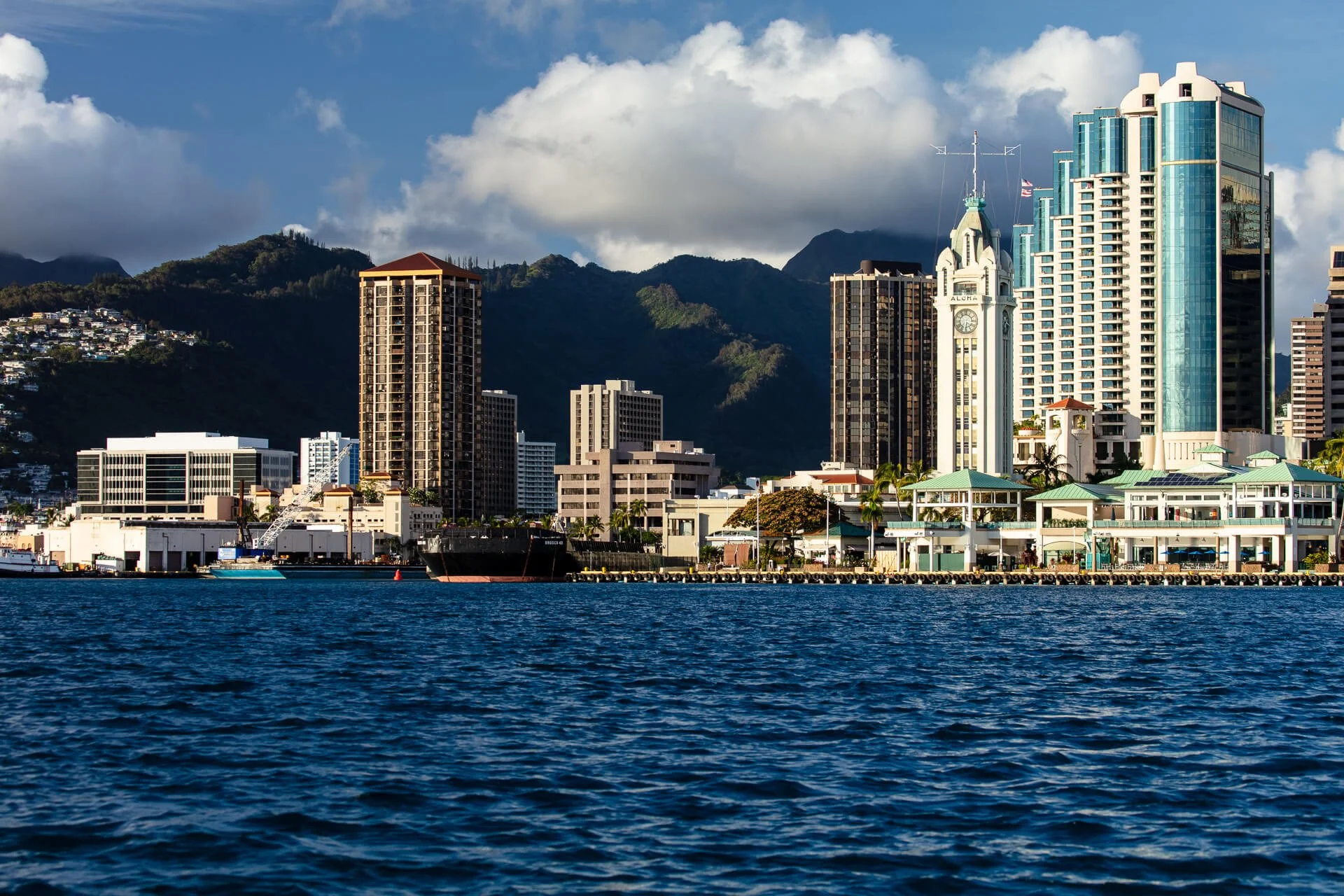
Column: Anti-Jones Act attacks don’t hold water
It’s curious why some are pushing so hard against the Jones Act in Hawaiʻi lately (“Jones Act hurts more than it helps,” Island Voices, Star-Advertiser, Feb. 23). Contrary to what Grassroot Institute-affiliated scholar Colin Grabow writes, the Jones Act doesn’t impact the cost of fuel in Hawaiʻi because our island refinery shops for the best prices on the global market and much of it comes directly from Asia, which the Jones Act allows.
-
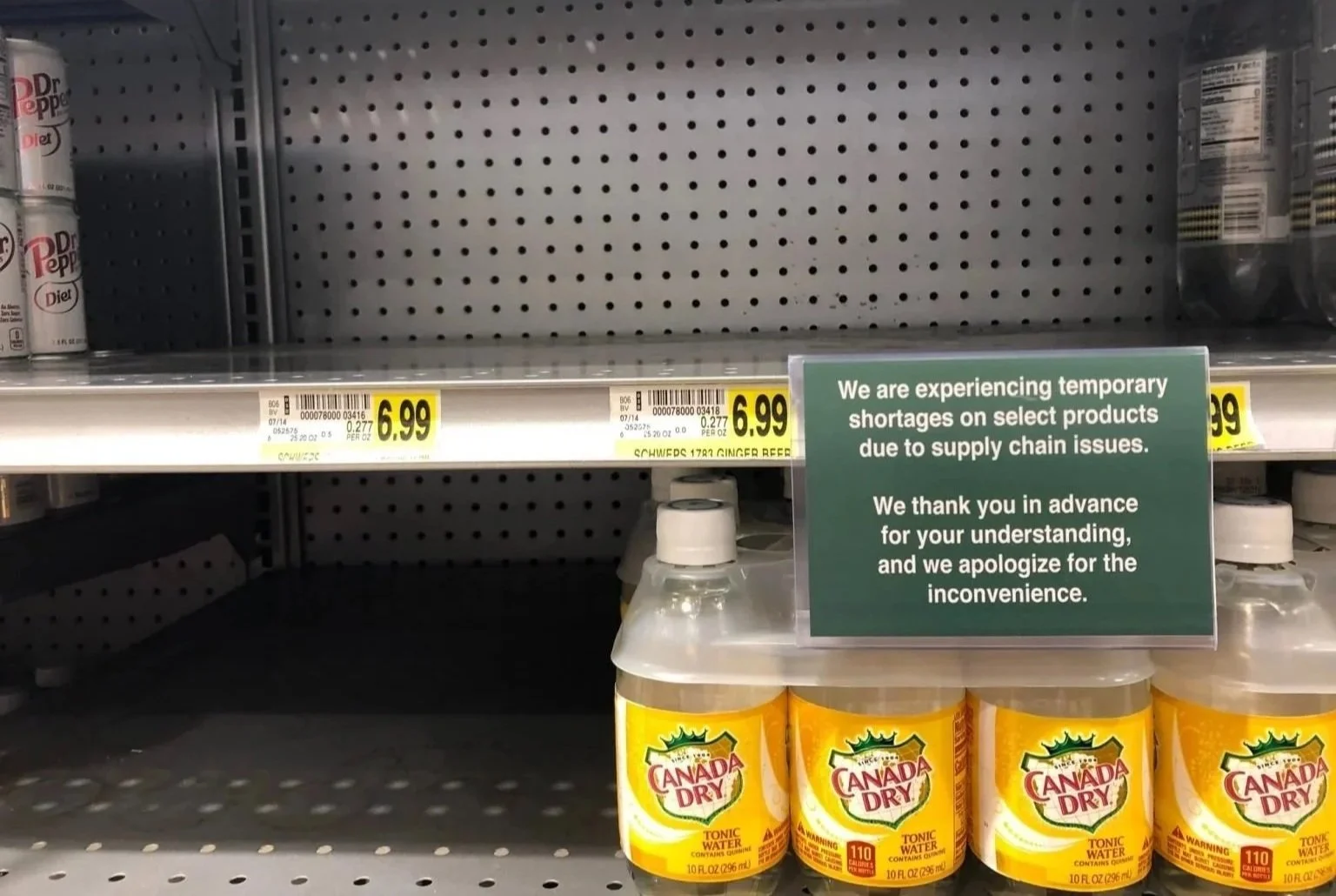
Hawaii Avoids Port Backups But Some Goods Are Scarce
WASHINGTON — The port bottlenecks that have plagued the mainland have spared Hawaii’s major shippers, but the state’s businesses are still struggling to get merchandise that’s been slowed down by supply chain crimps likely to continue into 2022.
-
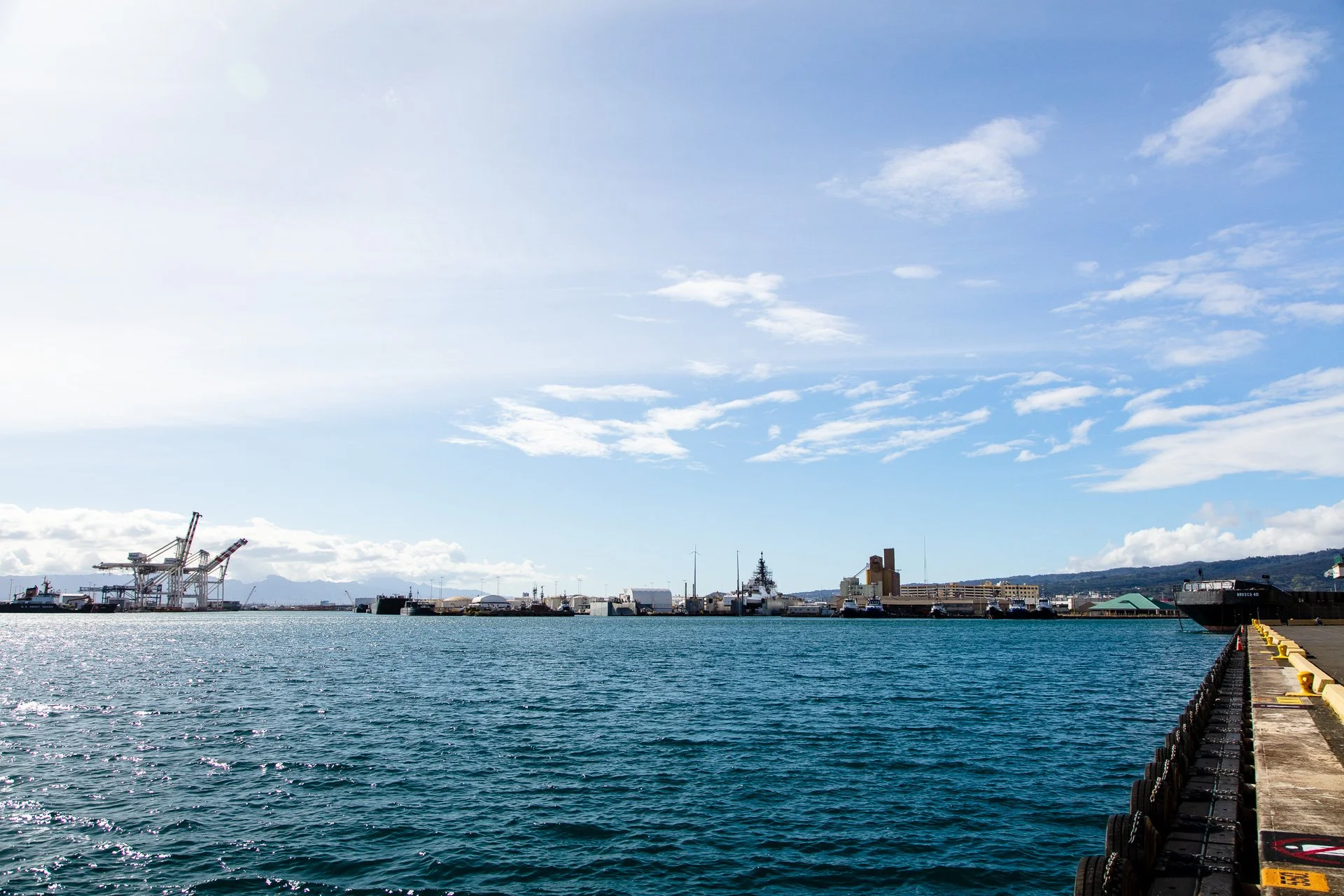
Cato Now Directing Efforts Of FARA Lobbyist Paid By EU To Thwart Jones Act
I’ve written many articles over the years on Cato’s relentless lobbying campaign against the Jones Act. The time I’ve spent following its activities has resulted in views on both Cato’s role and it’s primary goal. With that, the identification of the parties likely funding their multiyear campaign became apparent to me and my analysis named three foreign corporations that top my list. My view that Cato’s Jones Act efforts are anything but objective and independent has been corroborated with numerous facts. Now comes further proof with the recent disclosure in a FARA (Foreign Agents Registration Act) filing that the pay-to-play network that I’ve seen Cato at the center of also extends beyond foreign corporations and actually includes foreign governments seeking to thwart the Jones Act.
-
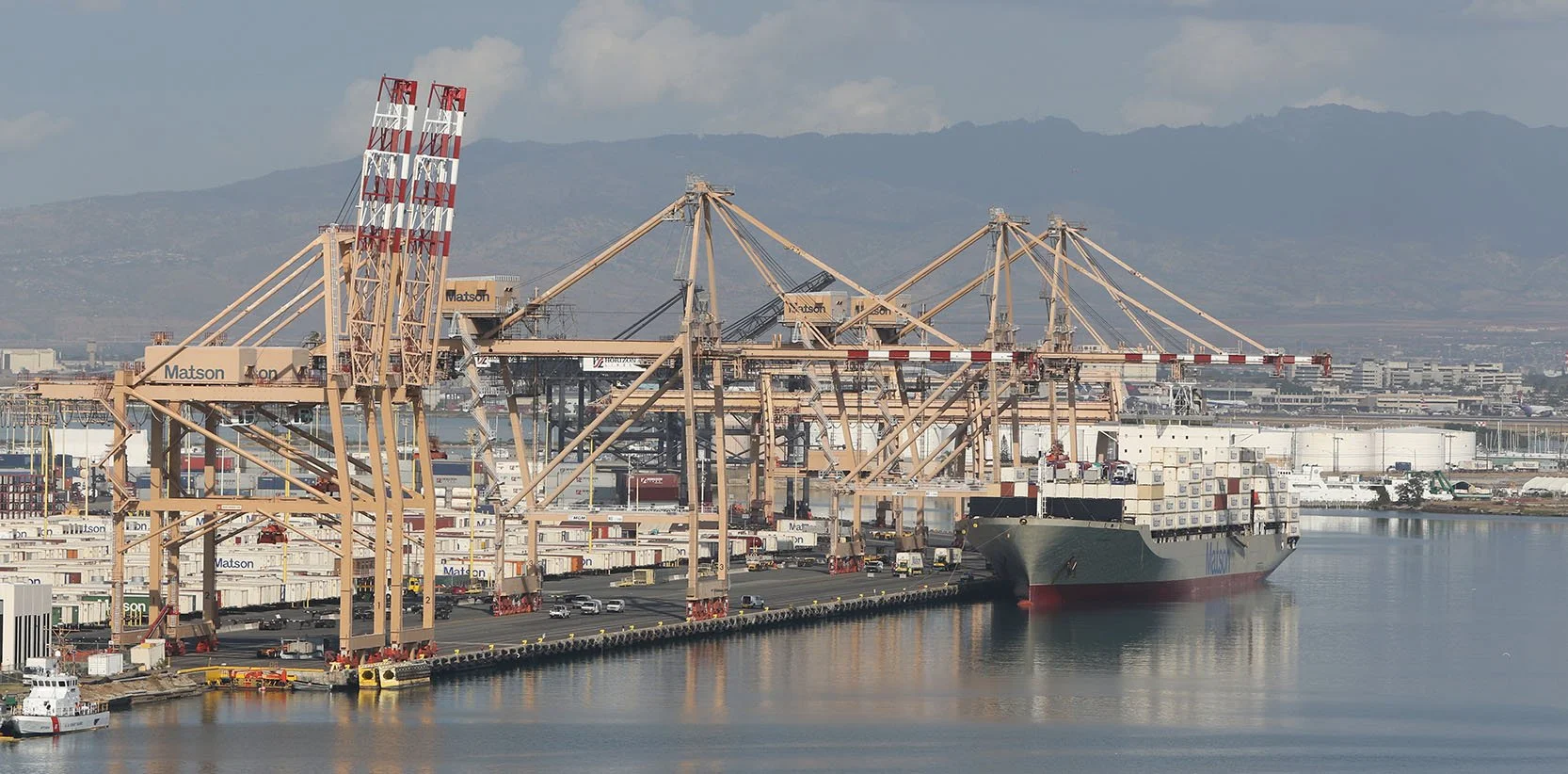
Living Hawaii: How Much Does Shipping Increase the Cost of Living?
The question is how much does shipping increase our cost of living in the islands? The answer, according to experts interviewed by Civil Beat, is less than 7.5 percent — and perhaps far less.
References
AGI Global Logistics. (2023, September 21). What is JIT Delivery?
https://www.agi.global/news/what-is-jit-delivery
American Maritime Partnership. (2020). Jones Act – Cornerstone of U.S. Maritime Safety & Security.
https://www.americanmaritimepartnership.com/u-s-maritime-industry/jones-act-overview/
American Maritime Partnership. (2018, September 25). Cabotage Laws of the World. https://www.americanmaritimepartnership.com/studies/world-cabotage-study/
ILWU Local 142. (2025, April 21). The Jones Act: Fact vs. Myth. https://www.ilwulocal142.org/news-item/jones-act-fact-vs-myth
Reeve & Associates and TZ Economics. (2020, July). Impact of the U.S. Jones Act on Hawaii. https://www.americanmaritimepartnership.com/wp-content/uploads/2020/07/Jones-Act-Hawaii-Report-Final-Copy_07212020.pdf